Subject line rewrites will not fix a bounce rate any adult outbound program should refuse to tolerate. Hooks get sharper. Placement gets worse. Morning Slack fills with theories about a cold market.
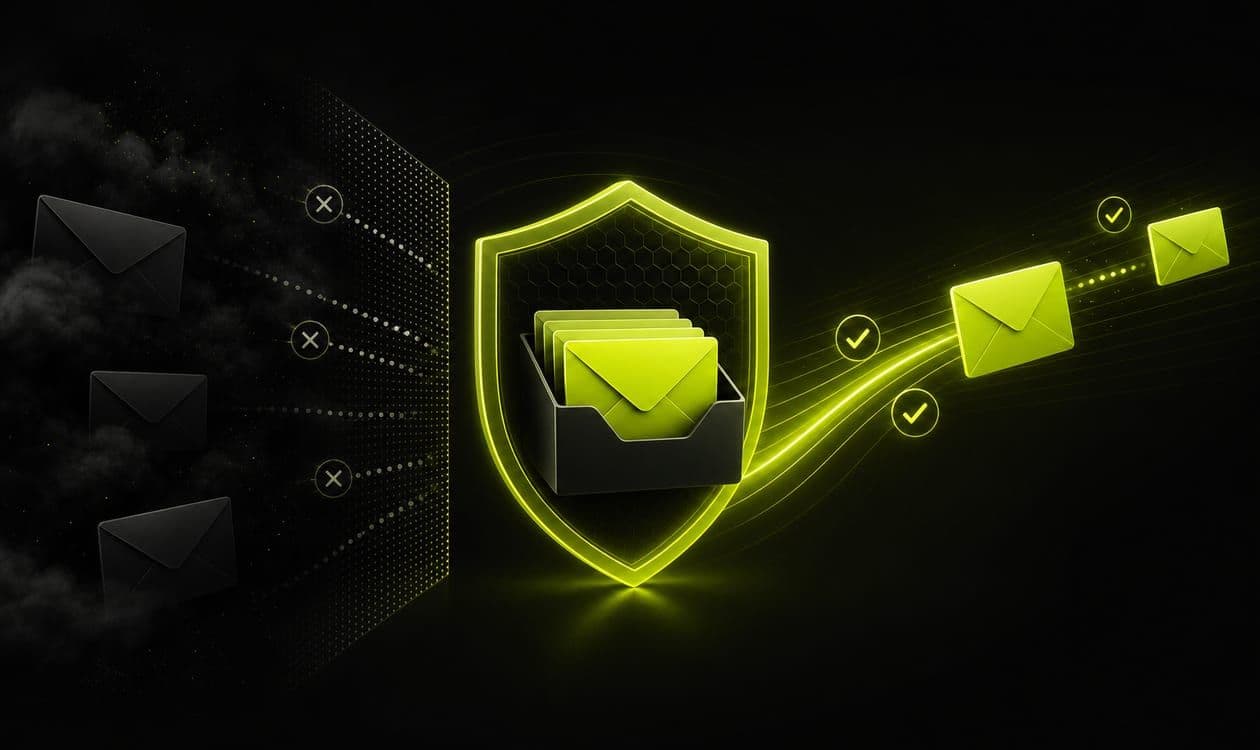
Nobody checked where the emails were landing. Creative gets screenshots. Deliverability gets you into the primary inbox. Guess which one matters when a B2B buyer never sees the email.
This is for B2B founders, GTM operators, and in-house marketers running cold outbound who need meetings, not a sequence that looks sharp in a doc and lands in spam. If you are scaling sends before domain, warming, and list hygiene are boringly solid, stop and fix the unsexy layer first.
Keep cold volume off the corporate domain
Sending high-volume cold email from your primary corporate domain is an unnecessary bet. A spike in complaints or bounces can affect the domain your customers and partners already trust.
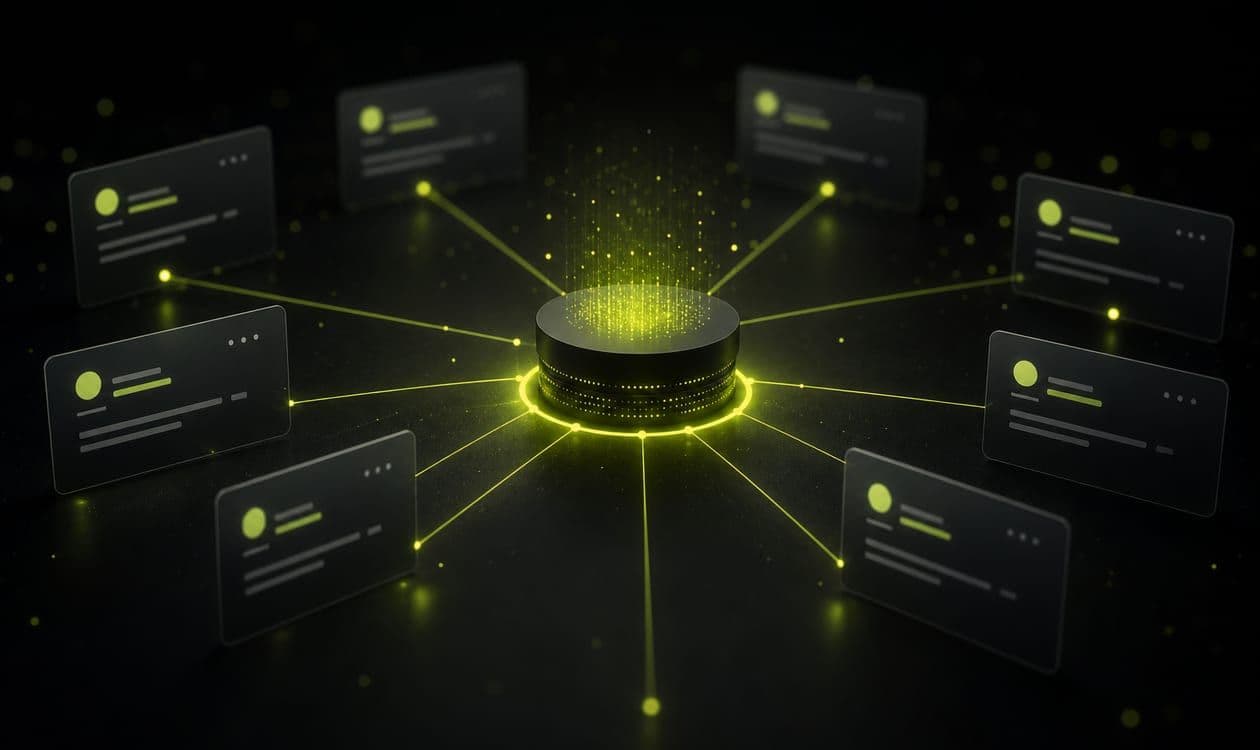
Use dedicated sending domains and inboxes with clear brand alignment: recognizable enough to feel legitimate, isolated enough that a bad week of outbound does not torch corporate mail. Authenticate properly (SPF, DKIM, DMARC as your stack requires), keep DNS tidy, and monitor reputation continuously.
Treat sending infrastructure like production systems: named owners, alerts, and a pause rule when health degrades. Do not learn deliverability on the domain that carries invoices and customer support.
From names and reply-to addresses should look like people buyers can answer. Random strings, misleading brands, and reply paths that go nowhere train distrust. Align identity with how you will actually handle replies.
I’m still unsure how many teams “set auth up once” and never look again. Misconfigured records, overlapping vendors, and half-migrated DNS are common ways that setup still fails under load. Assign an owner who can explain the current records and who changes them.
Warm like you mean it
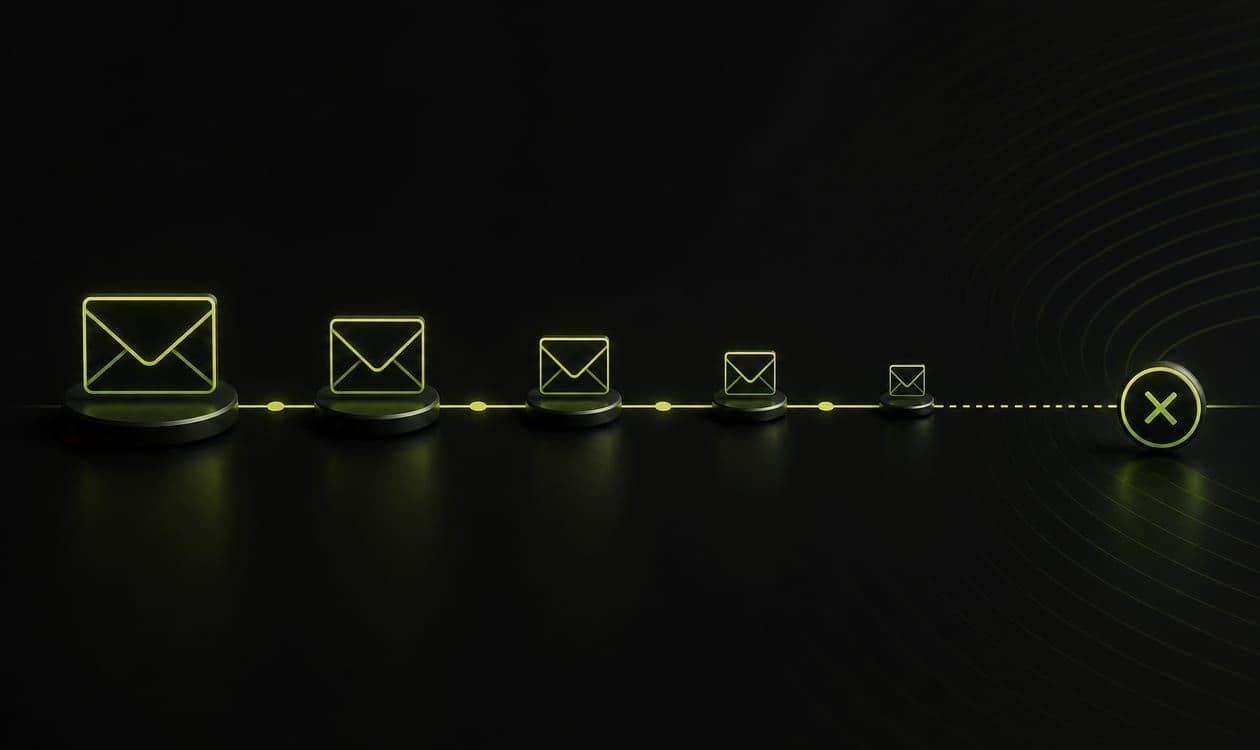
Warming is not a checkbox day. Ramp sends gradually, keep early engagement patterns human, and avoid blasting a cold domain at campaign scale on day one. Sudden volume from a new domain looks like what it is: a bulk sender arriving without history.
Early sends should not be link farms, image-heavy templates, or aggressive tracking experiments. Earn a stable baseline first. If leadership wants “full volume this week” on a fresh setup, that is a brand-risk conversation, not a motivation problem.
Space capacity across inboxes with daily caps. One heroic inbox sending everything is a single point of failure for reputation and for ops. From what I’ve seen, the teams that recover fastest are the ones that already had a pause plan written before they needed it.
List hygiene is deliverability work
Invalid addresses, role accounts, and recycled mega-lists inflate bounces. High bounce rates teach mailbox providers to distrust you, regardless of how clever your copy is. Verify before you enroll. Suppress hard bounces immediately. Cap daily volume per inbox so a bad batch cannot nuke the week.
List building and deliverability are the same system. See how to build a B2B cold email list without burning domains. ICP discipline still applies: volume of the wrong people is not only a sales problem. It is a reputation problem when they ignore, delete, or mark as spam.
Role accounts (info@, sales@, support@) and catch-alls deserve caution. They bounce unpredictably or attract people who were never your buyer. Prefer named contacts that match the ICP you would defend in a pipeline review, the same standard as ICP before volume.
When bounce spikes appear, reconcile list sources. A new data vendor or scraped batch that coincides with damage is a clue, not a coincidence. Quarantine the source. Do not keep sending while you investigate.
Content and monitoring still matter
Spammy formatting, misleading subject lines, and link overload hurt. Keep emails readable, specific, and light on tracking gimmicks until you have a stable baseline. Fake Re:/Fwd:, ALL CAPS urgency, and bait-and-switch topics train both humans and filters to distrust you. Pair this with subject lines that earn opens without spam signals.
One clear CTA beats a footer full of competing links. If you need a booking destination, prefer a focused path, often a simple calendar or a message-matched landing page, over a maze of UTMs and redirects that look automated.
HTML that looks like a marketing newsletter when the relationship is cold can also hurt. Many B2B outbound programs perform better with plain, human-looking messages until trust exists.
Watch bounce rate, complaint patterns, and placement symptoms: sudden silence after healthy reply rates, spam folder reports from your own tests. When health dips, pause volume before you “fix it” with more creative. Copy cannot outwrite a reputation hole.
A simple operating rhythm that protects domains:
- Weekly: bounce and complaint review, suppressions, inbox health checks
- Before every new segment: verification, ICP fit spot-check, volume plan within caps
- When scaling: increase gradually after relevance proof, not because a sequencer can physically send more
Automation can help with suppressions and alerts once the process is clear. See GTM automation when manual hygiene lags. Humans still own the decision to pause a domain.
One messy observation that doesn’t tidy into a checklist: I’ve seen “healthy” domains with clean DNS still land in spam for a segment because the list source was garbage and nobody sampled placement for two weeks. The metrics that looked fine were the wrong ones. Seed tests are boring until they save a quarter.
Write a one-page pause plan before you need it: what bounce or complaint pattern triggers a halt, who decides, how you quarantine list sources, and how you tell leadership that volume will drop while you repair. Teams without a pause plan keep sending through damage because “the campaign is live.”
After a scare, do not celebrate a return to volume. Celebrate restored placement and healthy engagement on a smaller, cleaner segment, then expand. Recovery that immediately reintroduces the dirty list is not recovery.
Finally, keep creative experiments inside deliverability guardrails. New HTML templates, heavy link sets, and aggressive tracking should be introduced gradually on healthy domains, not as a simultaneous rewrite of infra, list, and copy. Change one layer at a time when reputation is the asset you are protecting.
Aleksifa builds B2B cold email outreach with deliverability guardrails, domains, warming, hygiene, and volume discipline, not just sequence templates. If placement is slipping or you are about to scale on shaky infra, book a free strategy call. Bring your domain setup, bounce patterns, and current daily send caps.
We’ll tell you whether you have a copy problem or a foundation problem. Most teams in that room already know which one it is.