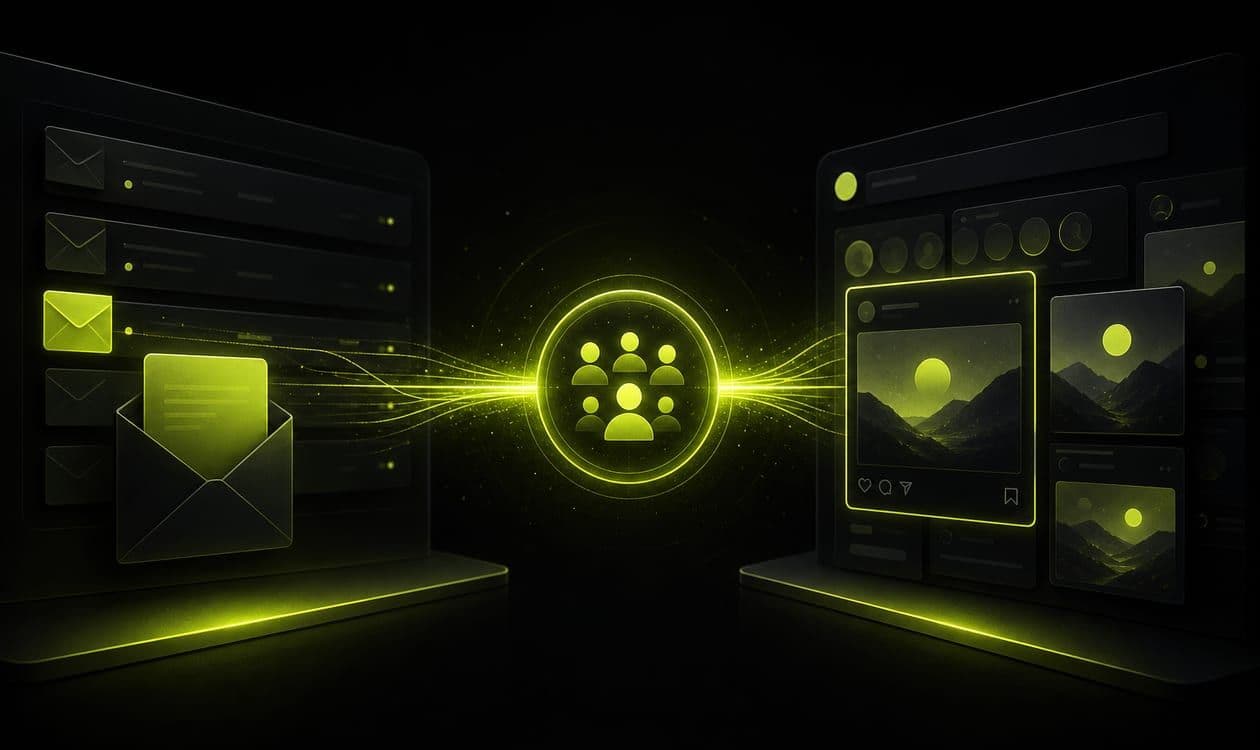
An SDR got a reply that said: I ignored your first two emails, then saw your ad, then realized you were talking about the same teardown. Let's book. Same account. Same offer. Two surfaces. One conversation that finally felt familiar.
That is the version of this motion worth building. The other version is uploading every email you ever bought and hoping Facebook invents relevance.
This is for B2B teams already running cold email, or building toward it, who want Meta and Facebook Ads as a parallel surface on named accounts and engaged segments. If your outbound and paid teams do not share ICP, suppression, or offer language, connecting the lists will only synchronize the chaos.
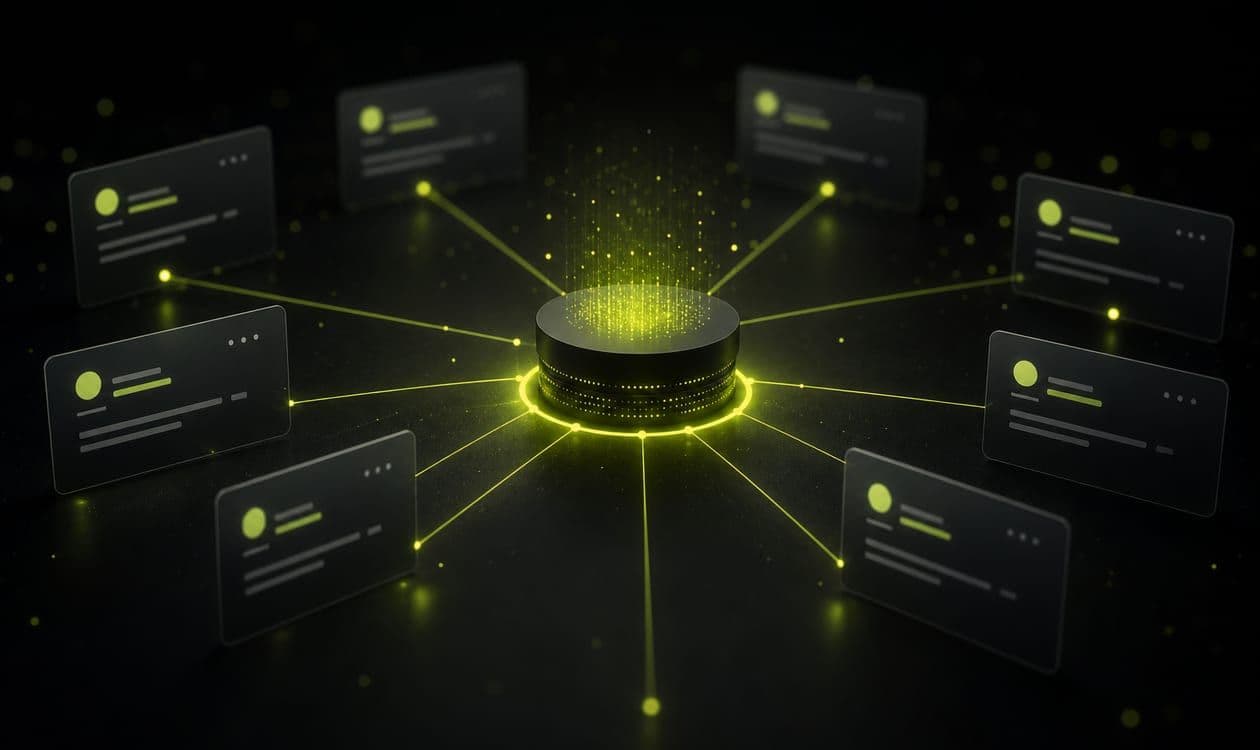
Outbound and Meta should not fight over the same accounts. Used well, a cold email list becomes a Meta custom audience that reinforces the conversation between touches, not a second spam channel with better creative.
Start with a list worth showing ads to
Upload segments that match ICP and engagement reality:
- Active sequence enrollments with verified, in-ICP contacts
- Positive replies and soft-yes threads not yet booked
- Site visitors from outbound links
- Named accounts you are actively working this quarter
- Engaged openers only when open tracking is trustworthy enough to act on
Junk lists become junk audiences. ICP discipline from cold email that starts with ICP still applies. If two people on your team would write different ICPs, your Meta audience will inherit that drift.
Segment by stage. Someone who never opened should not see the same ad as someone who replied interesting, send times. Stage-blind uploads waste frequency and confuse the story.
Prefer smaller, honest segments over vanity match-rate theater. A tight ICP list that delivers is more useful than a bloated upload that matches people you should never pitch. From what I've seen, match-rate obsession is usually a distraction from list quality.
Hygiene and compliance are not optional
Customer-list matching is a privilege with rules. Operate like an adult:
- Use permitted customer-list matching practices and keep records of list source
- Hash and upload only what the platform allows, following Meta's current requirements
- Respect suppression, unsubscribe, and do not contact statuses from outbound and CRM
- Exclude customers, disqualified leads, and closed-lost when re-engagement is inappropriate
- Do not upload scraped junk and hope match rates invent quality
If your list building is reckless, Meta will not fix it. Fix the outbound foundation with B2B cold email outreach and deliverability basics before you amplify the same contacts in-feed.
Match rates will never be 100%. Plan for that. Build segments large enough to deliver, but not so broad that ICP dissolves. Refresh lists on a schedule so Meta is not targeting stale enrollments.
Compliance is also brand risk. One angry reply that mentions you emailed me and now you're ads-stalking me is a signal your frequency or exclusion logic failed. Take it seriously. I won't pretend every team gets the sync perfect on day one, but ignoring that reply is how you teach the market to distrust both channels.
Match creative to the relationship, then run one motion
Someone who opened three emails should not see a cold brand-awareness ad that ignores the thread. Sequence Meta creative to the stage:
- Early sequence: reinforce the problem and offer angle used in email one
- Mid: proof, teardown, or objection handling that supports the outbound narrative
- Late or positive reply: clear booking CTA, then human-owned follow-up
Cap frequency so you do not annoy the same buyers you are emailing. Retargeting rules still apply. See retargeting without annoying buyers.
Message match across email, ad, and landing page is the continuity buyers notice. If outbound promised a compliance teardown and Meta sells a generic demo, trust drops.
Write ads like a peer to the email, not a separate brand campaign. Same vocabulary. Same offer. Same next step. Different surface.
Outbound creates the named conversation. Meta adds presence between touches. Together they can raise reply quality and booking rate when the offer is consistent and suppression is shared.
Operating model that works:
- Shared ICP and offer angles across email and ads
- Shared suppression (customers, unsubscribes, disqualified)
- Stage-based audiences and creative
- One booking destination when the CTA is to talk
- One scoreboard: qualified conversations, not opens plus cheap Meta leads in parallel
- A weekly sync between outbound and paid owners
Judge the combined motion with the same honesty as paid alone. Cost per qualified conversation still beats vanity channel metrics.
When search demand exists for the same ICP, Google can capture hand-raisers while outbound and Meta work named accounts. Channel jobs remain distinct. See Meta vs Google for B2B.
Keep lists and CRM in sync, and know what not to do
Stale uploads create awkward moments: ads to customers, ads to people who asked to stop, ads to closed-won. Assign ownership for export cadence, field mapping, error alerts when syncs fail, creative refresh tied to sequence changes, and QA samples before each major upload.
When manual CSV rituals lag, automate carefully. Routing and sync patterns belong in GTM automation. Automate the plumbing. Keep humans on the reply and the sales call.
Treat audience freshness like deliverability: invisible when healthy, expensive when neglected.
Before you connect channels, run a one-hour alignment. Shared ICP doc. Shared offer angles. Shared suppression rules. A sample of ten accounts both teams would be proud to put in front of sales. If you cannot agree on those ten, do not upload a list yet. Fix targeting first.
When the motion is live, review reply quality and meeting quality together weekly. Outbound may see warmer replies. Meta may see lower cold CPL on custom audiences. Neither matters if qualified conversations do not rise.
What not to do:
- Do not blast Meta awareness ads at every email you ever bought
- Do not run contradictory CTAs in inbox and feed the same week
- Do not optimize Meta to Instant Form junk while outbound asks for a serious meeting
- Do not skip exclusions because the audience is small
- Do not treat match rate as a success metric. Conversations are
- Do not let paid and outbound teams invent separate ICPs
One messy observation: some of the best cross-channel replies I've seen came after a slightly redundant ad. Same problem statement as email two, almost awkwardly familiar. The polished separate brand narrative underperformed. Continuity beat novelty more often than our creative instincts wanted to admit.
Want outbound and Meta as one system? We connect cold email with Meta & Facebook Ads for B2B. Book a free strategy call and bring a sample segment, your sequence angles, and how you currently suppress contacts.