Will anyone be awake when your East Coast sales team flags junk leads at 9am?
Fair question for any Serbia-based partner working with US, UK, or Canada clients. Geography is not the product. Overlap, clarity, and ownership are. Remote delivery is normal in B2B services. The real checks are working hours together, operator-grade communication, and ownership that matches an onshore retainer.
This is for B2B founders and marketing leaders in the US, UK, and Canada who want a pipeline partner without pretending zip code is quality. If you need a body in your office full-time, say so early. If you need accountable operators with clear scoreboards, remote can work when the delivery system is explicit.
Timezone overlap that respects your day
We work with US, UK, and Canada clients with scheduled overlap for working sessions, not midnight Slack chaos. Async updates cover the rest. Overlap is planned: weekly priorities, decision calls, and creative or strategy reviews land in windows both sides can attend.
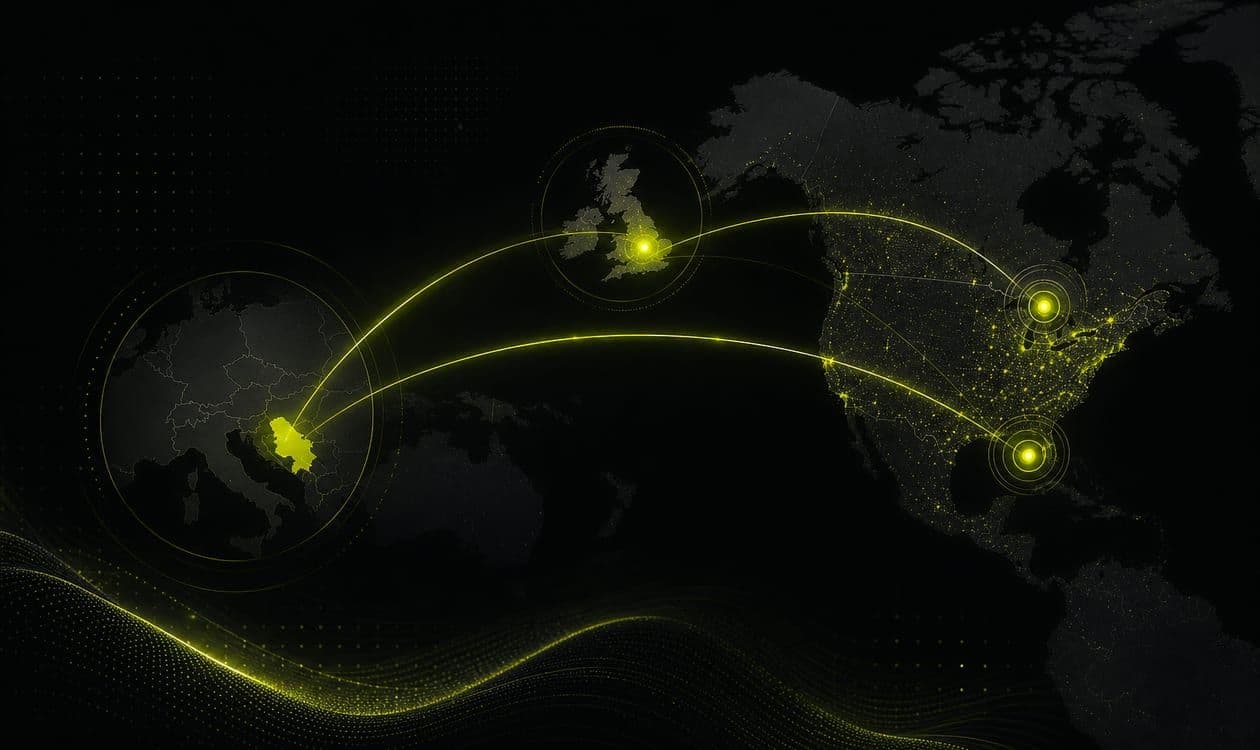
US East and UK overlap cleanly with Serbia working hours for live sessions. US West needs intentional scheduling. Morning Pacific for you, afternoon or evening for us, or async-first with booked checkpoints. Canada follows the same pattern as US zones. The point is predictability, not constant availability theater.
What we avoid: pretending 24/7 chat is a feature. Constant ping culture creates noise and hides ownership. Clear response windows and named owners beat always-online performance. If a decision needs live debate, we book it. If it needs a written decision, we write it, and you respond in your morning, not at midnight.
From what I’ve seen, “remote feels slow” complaints usually start as ambiguous response windows, not as distance. Make the contract explicit before anyone judges speed.
Communication built for operators
Weekly priorities, plain-English reporting, and clear owners. You should always know what shipped, what is blocked, and what we need from sales. Updates should answer pipeline questions, not bury you in platform screenshots.
A healthy remote rhythm looks like:
- A short weekly plan
- A shared scoreboard: qualified conversations, opportunities, cost per qualified conversation
- Experiment notes
- A punch list of blockers that need your side: approvals, CRM access, sales feedback
Slack or email can work. The tool matters less than the habits. If alerts fire and nobody owns them, remoteness is not the problem. Ops design is. We design handoff so sales in your timezone gets leads when they can act, not when it is convenient for a vendor timezone story.
Language stays practical. No jargon fog to hide missing opportunity rates. If something is blocked on your CRM or sales capacity, we say so early. Remote teams that hide blockers create surprise months.
I’m still unsure why so many remote updates lead with impressions and CTR. Maybe because the platforms make those numbers easy. Pipeline questions are harder and more useful.
Same ownership standards as onshore
Pipeline definitions, channel discipline, and conversion infrastructure do not change because the agency is in Serbia. See what we own as a lead gen agency and About Aleksifa.
Ownership still means channels sequenced for ICP, message-matched destinations, measurement sales trusts, and weekly iteration. It still means refusing vanity MQLs as the north star. Geography does not excuse soft scoreboards.
Browse the services hub the same way you would with any serious partner. Google Ads, Meta, landing pages, cold email, GTM automation as modules inside one pipeline. Remote delivery is how we work. The system is what you buy.
If a metric would be unacceptable from an onshore agency, it is unacceptable from us. Distance is not a discount on honesty.
How US, UK, and Canada collaboration usually runs
Kickoff clarifies ICP, offer, first channel, destination, and the qualified-conversation definition. Access and tracking come next: accounts, CRM, analytics, with owners named for failures. Then we ship the first lane with a scoreboard both sides open.
Sales feedback loops matter more across timezones, not less. Coded rejection reasons, short voice notes, or a weekly fifteen-minute quality call beat long email essays. When sales in New York or London flags junk themes, we pause and rewrite. The same day when overlap allows. Next working session when it does not.
Compliance and norms stay local to your market. US, UK, and Canada outbound and advertising expectations differ in detail. We surface claims, competitor risk, and list practices for your counsel or internal review. Remote does not mean careless.
Documentation carries more weight in remote delivery: decision logs, URL maps, experiment notes. That is a feature. It reduces “what did we agree last month?” drift that kills multi-timezone programs.
By the end of the first month you should have a written ICP and offer, a chosen first channel with rationale, a live destination with message match, tracking that reaches CRM, a shared scoreboard both sides open, and at least one quality review with sales. If a remote partner only produces login access and a vanity dashboard by day thirty, geography was never the issue. Ownership was.
You should also know response windows, meeting cadence, and who escalates when a sync breaks at 9am in your timezone. Ambiguity here creates the remote-feels-slow complaint even when the work is fine. Make the operating contract explicit, then judge delivery against it.
Fit, access, and what price comparisons miss
Remote works when you want an operator partner: clear briefs, decisions in working sessions, async execution, and a shared pipeline scoreboard. It fails when you need a body in your office full-time, same-room workshops every day, or a vendor who only takes orders without pushing back on vanity metrics.
Fit also includes offer and ICP clarity. No location fixes a muddy buyer or a weak next step. On a strategy call we will say if the motion is not ready. That honesty is part of delivery quality.
If you are comparing remote vs onshore on price alone, you are shopping the wrong axis. Compare ownership maps, measurement honesty, and communication rhythm. Cheap retainers that optimize CPL screenshots are expensive in any currency. Compare how each partner defines a qualified conversation. That answer predicts more than the office address.
Remote delivery needs clean access hygiene: least-privilege ad and CRM roles, shared password practices you already trust, and no shadow spreadsheets of lead exports. We work inside your accounts when possible so you keep the asset if the engagement ends. That is ordinary professional practice. Insist on it from any partner, Serbia or otherwise.
One messy observation: some of the smoothest remote engagements I’ve seen started with an awkward first call about timezone math and who owns pause authority. Some of the rockiest ones skipped that and stayed polite. Politeness without owners is how 9am escalations die in a channel nobody watches.
Curious how remote delivery would work for your team? Start with About or book a free strategy call. US, UK, and Canada welcome. Bring your timezone, current stack, and how sales defines a good meeting. We will map overlap, owners, and the first channel before anyone talks about volume.