A positive reply lands at 4:12 p.m. on a Thursday. Sounds interesting. Free next week? Nobody owns the shared inbox that afternoon. By Monday the thread has a polite timing's off, maybe later, and a calendar that never moved.
The sequencer looks healthy. The leak is the gap between sounds interesting and a calendar link. Teams invest in ICP, copy, and deliverability, then leave interest overnight while curiosity cools.
Reply handling is part of the product, not an afterthought for whoever sees Slack first. This is for B2B sales leaders, SDRs, and demand gen operators who already get replies and need them to become booked calls.
If your sequencer dashboard looks healthy and your calendar does not, the leak is usually here: ownership, speed, and a single next step.
Own the inbox like a pipeline stage
Assign clear ownership, SLAs, and escalation. Positive replies should not sit overnight in a shared folder nobody monitors. Name a primary owner and a backup. Define what “positive” means (interested, asked a question, open to a time) versus nurture or disqualify.
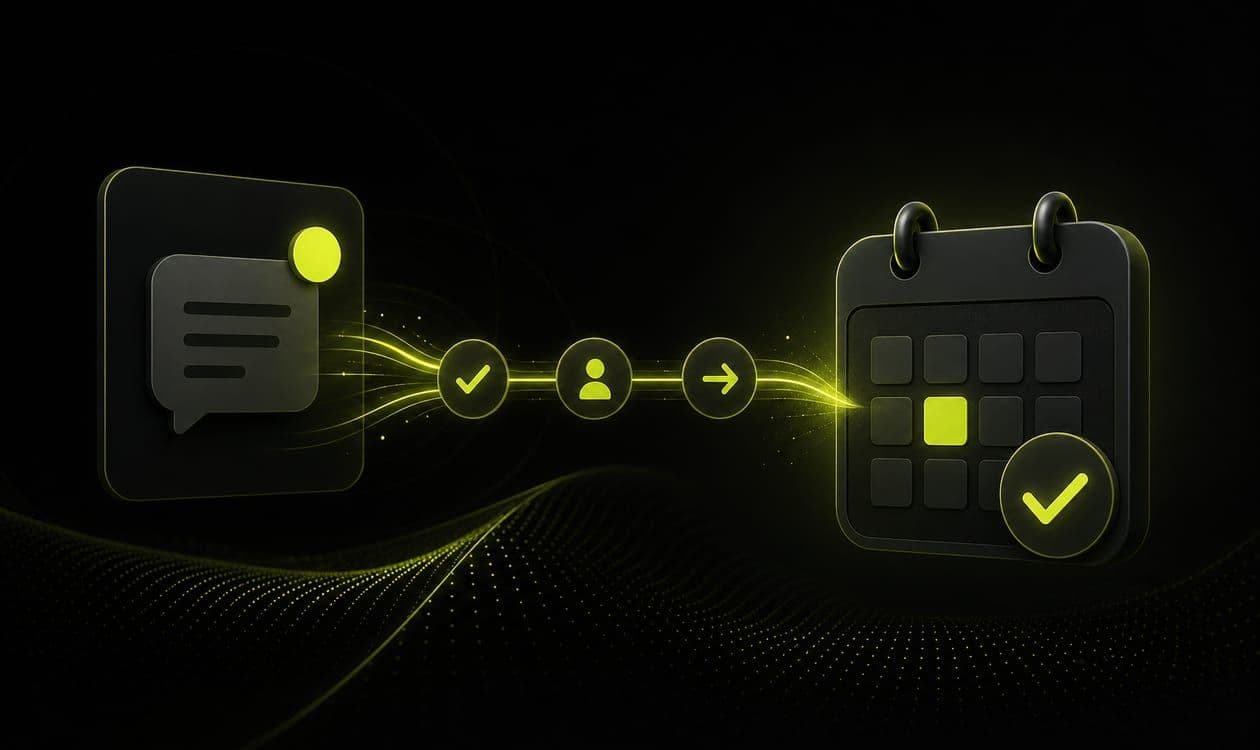
Treat reply handling like a stage with entry and exit criteria: reply received → owner assigned → response sent → meeting booked or next step logged. If it is not in the CRM, it did not happen. Dashboards that only show sends hide the real conversion bottleneck.
When volume grows, ownership must scale with it. Doubling sends without doubling reply capacity is how you create silent brand damage: interested buyers ignored. From what I’ve seen, that damage shows up later as “outbound doesn’t convert,” when the truth is outbound converted and ops dropped the ball.
Respond with one clear next step
Confirm fit briefly, propose times or send one booking link, and stop pitching the whole deck in the thread. Momentum beats education dumps. The buyer already signaled interest. Your job is to make yes easy and no clean.
Good first responses usually look like this:
- Acknowledge their note in one line
- Mirror the offer they replied to (same teardown, diagnostic, or topic)
- Offer two to three times or one calendar link
- Ask one clarifying question only if it changes who should join
Bad first responses: five paragraphs of product story, three attachments, and “let me know what works for you” with no options. Ambiguity kills threads.
If they need a page before booking, send one focused destination, often a short landing page that continues the email promise, not a homepage tour.
Fast replies win, but frantic replies lose. Aim for prompt, calm, and specific. A two-minute response that dumps the deck is worse than a thirty-minute response that books a time. Train the team on tone as much as on SLA clocks.
Use business hours norms for your ICP’s geography. A reply at 2 a.m. local time can look automated. If you operate across time zones, staffing coverage beats 24/7 bots that escalate everything into chaos.
Route, enrich, and handle objections without drama
Create the CRM record, tag source and campaign, and notify sales in Slack or equivalent with context: who they are, what they replied, which sequence and offer. Automation helps when it is reliable. See GTM automation. Humans still close the loop on nuance, objections, and wrong-person redirects.
Enrichment should speed routing, not delay the first human reply. Do not make an interested buyer wait while five tools finish enriching a contact. Reply first. Enrich in parallel.
Preserve attribution. Outbound that cannot show which segment and offer produced the meeting will be underfunded or mismanaged. Source fields are part of reply handling ops.
Not now / send info / wrong person / already have a vendor get templated paths that stay human. Do not punish interest with a five-email lecture.
Wrong person: ask for the right owner politely and stop pitching the wrong inbox. Not now: offer a lightweight future check-in and suppress aggressive sequencing. Send info: send one relevant asset tied to the original offer, then propose a time to discuss, not an infinite nurture drip in the same thread.
Hard no and unsubscribe: honor immediately across systems. That protects domains and brand. See list and domain discipline.
Scripts, handoffs, and the metrics that matter
Write reply snippets the team can personalize in thirty seconds. Centralize them so every owner does not invent a new personality. Review weekly which objection paths stall so you improve the playbook, not just the first email in the sequence.
Tone rules: match the buyer’s brevity, stay specific to their reply, avoid fake familiarity, and never argue them into a meeting. Booking is earned by clarity and relevance, the same standards as the sequence built for meetings.
One booking link beats a long negotiation when the page is clear and mobile-friendly. Too many form fields before a calendar reduces completion. Too little context increases no-shows. Balance: enough clarity that they know what the call is, low enough friction that they finish booking.
Send a confirmation that restates the offer and agenda in one short note. Reminders help when they are respectful. Spamming five reminders after a soft maybe is not confirmation hygiene. It is another sequence mistake.
Define the handoff: SDR books and confirms, AE owns the call, or AE owns from first positive reply for enterprise. Ambiguous ownership creates double-emails and dropped threads. Write it down. Review exceptions weekly for strategic accounts, existing customers, and partners.
Existing customers and open opportunities should be suppressed from cold sequences entirely. Reply handling includes preventing “cold” emails to people who already pay you. That is how trust evaporates fast.
Track time-to-first-response on positive replies, meeting book rate from positives, show rate, and opportunity rate. If time-to-response stretches, fix staffing or alerts before you scale volume. If positives book but no-shows rise, fix confirmation and reminder hygiene, not subject lines.
Share this scoreboard with whoever owns the sequencer. Otherwise marketing optimizes sends while sales absorbs the mess of delayed threads.
One messy observation: some of the best book rates I’ve seen came from slightly imperfect first replies that sounded like a person who read the note, not from the cleanest snippet in the library. Over-polished reply templates can feel as generic as the cold email that got them interested. I’m still unsure how much to standardize versus leave room for human judgment. Worth noticing when every reply starts sounding identical.
Review anonymized threads in a short weekly huddle: best book, worst stall, one objection that needs a better snippet. Coaching from live language beats abstract training decks. Update snippets the same week.
If positives are rare, do not only coach replies. Feed insights back to ICP and offer. Reply handling is also a research channel into what messaging resonates.
We design cold email systems through the booked call, not just the send. Book a free strategy call if replies pile up and meetings do not. Bring your ownership model, average response time, and a few anonymized positive-reply threads.
We’ll tell you whether the leak is speed, ambiguity, or a handoff nobody owns.