Nineteen automation ideas on the whiteboard, including AI meeting summaries and a Monday wins digest. Instant Form leads still landing in a shared inbox with no CRM owner.
Which of those nineteen, if it failed silently for a day, would lose conversations? Usually only two make the list. Those two go first. The digest waits.
Automating everything at once is how teams ship a museum of half-working zaps. Automate the bottleneck that sits between a lead event and a human conversation. Sequence beats sprawl: routing and notification first, identity hygiene second, enrichment and offline feedback third, nice-to-haves later.
This is for B2B founders, RevOps, and GTM operators building lead ops across ads, outbound, CRM, and Slack. If your backlog says automate the stack with no order, use this order of operations, then stop when the next item would not protect a lead.
First: routing and notification
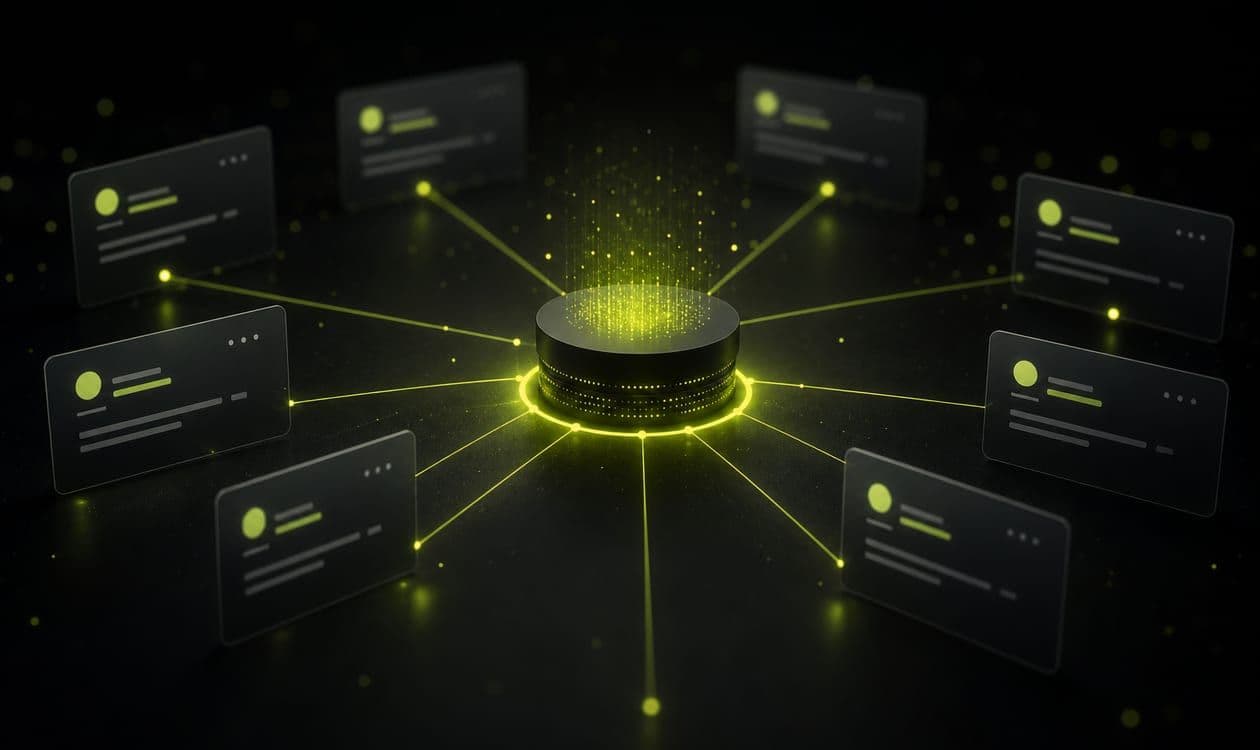
Create or update CRM, assign owner, alert Slack. Speed-to-lead beats fancy enrichment. A qualified human who knows a lead exists outperforms a beautifully enriched record nobody saw for a day.
Ship the boring path:
- Upsert CRM by email or external ID
- Assign by rules sales already agreed
- Slack alert with CRM link and ICP context
- Failure alert when any step breaks
Start with ads → CRM → Slack in n8n. One channel trigger is enough for v1: Google form, Meta Instant Form, or outbound positive reply. Parallelizing every source on day one multiplies failure modes.
From what I’ve seen, the teams that finish this spine first stop asking did we get that lead within a month. The teams that start with enrichment rarely get there.
Second: identity hygiene, then enrichment and feedback
Persist click IDs and UTMs on lead create. Without them you cannot close the loop later, and Google Ads / Meta keep learning from form fills alone.
This step is dull and high leverage. It does not look like innovation. It makes every later optimization honest. If your forms drop GCLID or Instant Forms never write campaign metadata into CRM, fix that before you buy another enrichment credit.
Add enrichment when it changes routing or first-touch context, not when a vendor dashboard shames your coverage. See when to automate lead enrichment.
Push opportunity stages or qualified meetings held back to ad platforms when sales definitions are stable. Scarce, honest signals beat soft MQL uploads. Pair with the philosophy in optimize for opportunities, not form fills where Search is in the mix.
Order inside this tier: enrichment that unblocks assignment can come before offline import. Decorative enrichment should not jump the queue ahead of conversion feedback if paid is already spending.
Later: nice-to-haves, and the prerequisites that still gate everything
Slide decks, internal digests, speculative AI summaries, and weekly wins auto-posts can wait. If they fail, nobody loses a lead. Prioritize accordingly.
Also later: elaborate lead scoring, multi-product branching that sales has not documented, and migrations of every legacy zap. Stabilize the critical path first.
Agree on qualification and ownership before you automate. See when to add automation. Encoding disagreement creates faster arguments.
Prerequisites checklist:
- Written happy path and failure path
- Named owners for workflows and CRM fields
- Duplicate rules documented
- Slack, or equivalent, that humans actually watch
- Stage definitions sales will defend
If those are missing, a sequenced plan still helps, but week one is process, not nodes.
A build sequence that survives contact with reality
Week 1: map process. Implement CRM upsert, owner, and Slack for one source. Add failure alerts.
Week 2: harden idempotency. Exclude tests. Spot-check ten leads end to end. Write the runbook.
Week 3: persist click IDs and UTMs. Verify fields populate from landing pages or Instant Forms.
Week 4: optional enrichment for one routing decision, or start an offline conversion draft if stages are trusted.
Adjust pacing to your volume and access. The sequence matters more than the calendar. Do not skip failure design. See error handling for GTM workflows.
Automate the source that already produces volume you care about and where delay hurts most. Often that is paid inbound. Sometimes it is outbound positive replies sitting in a shared inbox. Rarely is it the internal digest.
If Meta Instant Forms and Google lead forms both run, pick the noisier handoff first. Usually Instant Forms, where context dies easily, then extend the same pattern. Do not invent a second philosophy per channel.
Zapier can ship early linear glue. n8n often fits when branching and observability deepen. See Zapier vs n8n. Do not let tool debates delay routing. A live owned path in either tool beats a perfect architecture doc.
You can pause the automation sprint when leads get owners inside your SLA, failures alert humans, identity survives for future feedback, and sales stopped asking did we get that lead. You do not need a hundred workflows. You need a reliable spine.
Resist the urge to automate reporting digests before routing works. A beautiful Monday email about broken lead flow is still broken lead flow. Digests are optional. Ownership is not.
If leadership wants AI in the first sprint, put it last. Summaries and draft emails can help after a human owns the lead and the CRM record is clean. Putting generative steps in front of routing adds failure modes without protecting pipeline.
Capacity planning is part of the sequence. If automation suddenly delivers every lead into Slack in under a minute, sales must have an SLA and coverage plan. Automating into an overwhelmed inbox recreates the original problem with better timestamps.
One messy observation: after routing and identity are solid, a surprising amount of the backlog evaporates. Items that felt urgent in month one look optional once speed-to-lead stops being the daily fire. I don’t have a clean scorecard for which ideas deserve to die. Worth revisiting the list monthly with a blunt question.
When in doubt, ask: if this workflow fails silently for 24 hours, do we lose conversations? If yes, it belongs early and needs error handling. If no, it waits. That single question keeps the order of operations honest.
I’m still unsure how strict the thirty-day calendar should be for every team. Some ship the spine in ten days. Some need six weeks because CRM access and sales alignment move slowly. The sequence still holds even when the dates slip.
Share the sequence with sales before you build. If they will not defend the owner SLA or stage definitions, pause the sprint. Automation without that agreement is expensive theater with better timestamps.
Want a sequenced automation plan for your stack? Book a free strategy call. We build GTM automation in the order that protects pipeline. Bring your current tools, one stuck-lead story, and which source hurts most when humans are slow.