Seventeen conversions on the page dashboard. Scroll depth. CTA hover. Video 25%. Form start. Newsletter click. The ad accounts looked busy. Sales could not name a single qualified meeting from that month's page traffic.
If every scroll and button hover is a conversion, your platforms will celebrate noise. Google Ads and Meta learn from whatever you label as success.
This is for B2B demand gen and RevOps operators who want page tracking that feeds pipeline, not dashboards.
Primary events that deserve optimization
Protect a short primary list:
- Form submit or calendar booking completed
- Qualified meeting held or opportunity created (via CRM feedback)
Those are the signals ad platforms should learn from, not pageviews. Form complete is necessary operational data. Opportunity or qualified meeting is the training label that keeps bidding honest once volume allows.
If sales cannot defend the primary event in a pipeline review, do not send it upstream as the win. The same discipline as measurement sales trusts applies on the page. Write the definition down. Ambiguous “leads” create ambiguous optimization.
From what I’ve seen, teams add soft goals when volume feels low and then wonder why Smart Bidding starts chasing people who never intended to buy. Scarcity that reflects pipeline reality beats dense vanity that reflects scroll depth.
Secondary events for diagnosis only
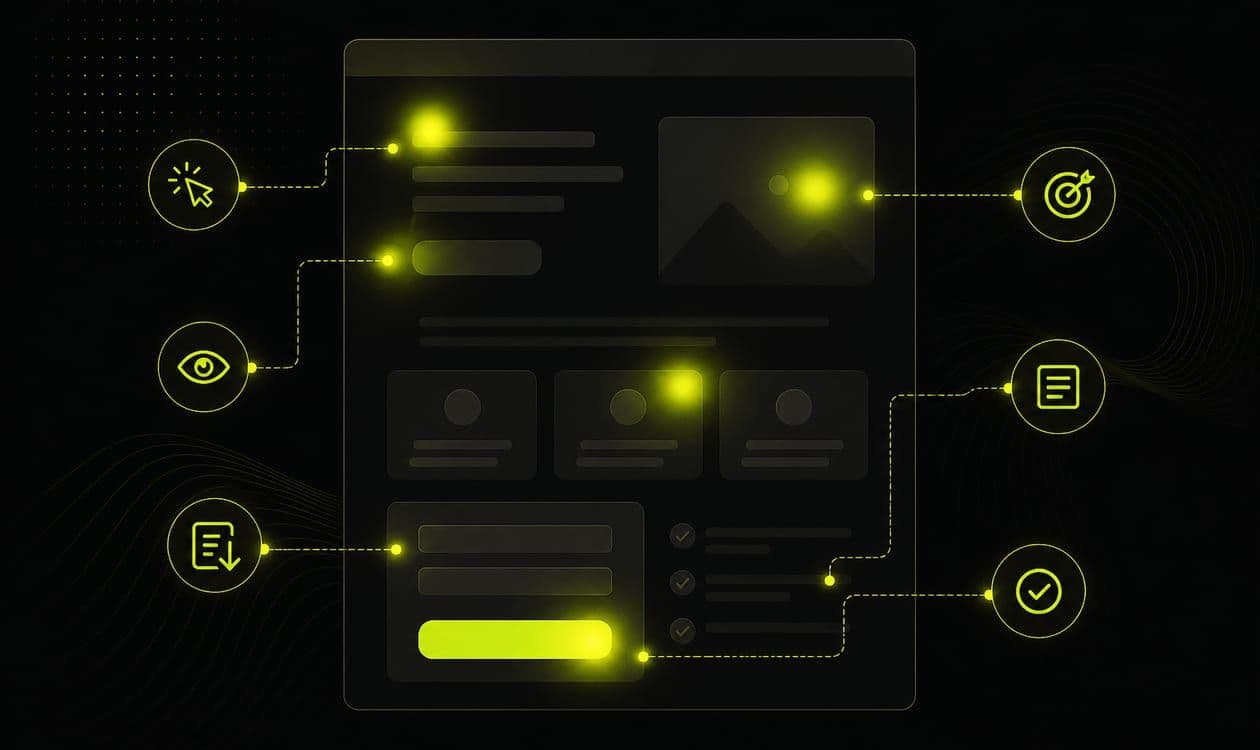
CTA clicks, form starts, and scroll depth help you find friction. They should not be primary optimization goals. Soft events as primary goals recreate the vanity MQL problem: cheap engagement, expensive confusion.
Use secondary events to answer operator questions:
- Do people start the form and abandon a specific field?
- Does the fold CTA get ignored while a mid-page CTA works?
- Is mobile bounce a speed issue or a message-match issue?
Diagnose with soft events. Optimize with hard ones. If leadership loves a soft metric, keep it on a diagnostic dashboard. Never as the Smart Bidding or Meta optimization target.
I’m still unsure how many teams actually separate those dashboards in practice. The ones that do usually sleep better during pipeline reviews.
Wire the path end to end
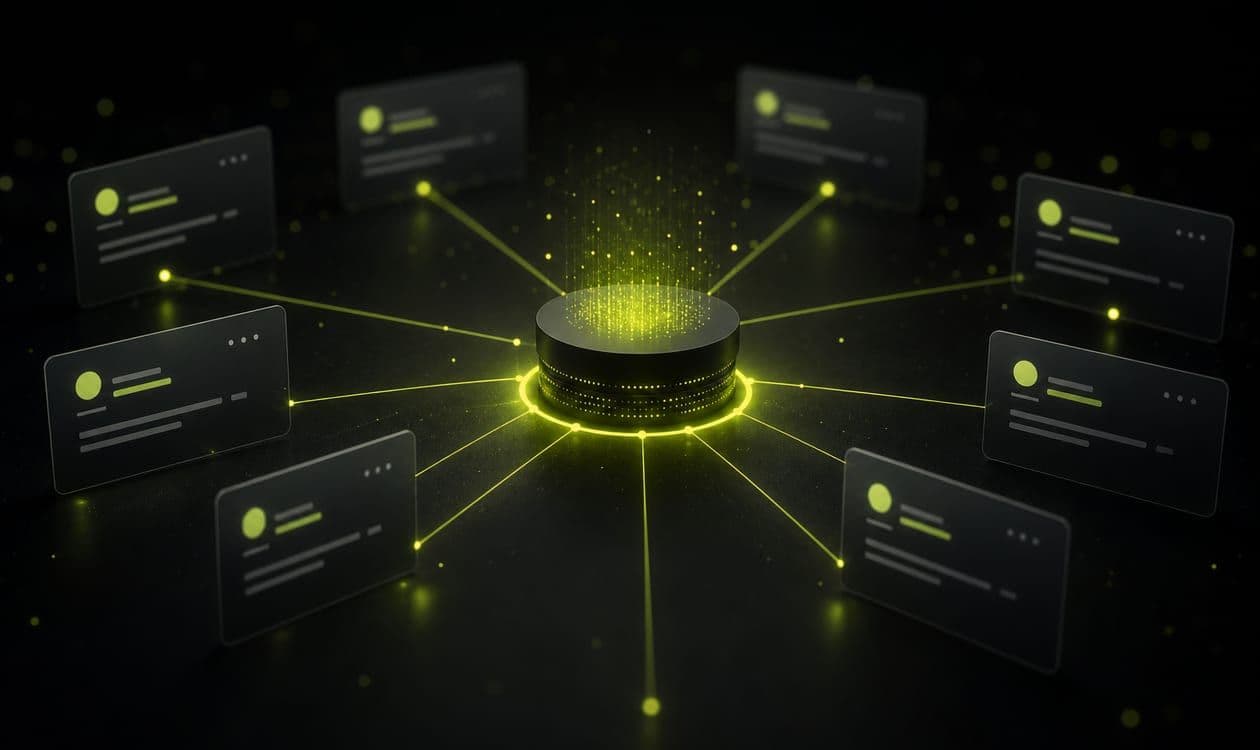
Capture click IDs, pass them into the CRM, and close the loop when stages change. Page tracking without CRM feedback is a partial system. Tags that fire on thank-you pages while opportunities never return to the ad platform teach volume forever.
Landing page and CRM must agree on qualification. Your landing page should collect what sales needs, or enrichment must fill gaps before you celebrate a conversion. Field design belongs in fewer vs smarter forms.
Assign owners: who maintains tags, who owns CRM fields, who reconciles weekly. Silent broken syncs are worse than sparse tracking. Treat the loop like production infrastructure.
Track the destination paid and outbound actually hit. Homepages with twelve CTAs produce twelve stories and zero accountability. If Meta uses Instant Forms and Search uses a page, do not pretend one pixel story covers both without mapping each path. Shared destinations need shared definitions. See landing pages for paid and outbound.
Message match failures also look like tracking problems. People bounce before events fire. Fix continuity with message match before you rebuild the tag manager.
Name events so a new hire understands them in a week. `demo_booked` beats `gen_lead_v3_final`. Deduplicate thank-you fires and form plugins that double-count. Exclude test, employee, and agency submits.
Event hygiene and funnel shape
Operators who keep tracking honest do the boring work:
- Reconcile booking volume vs CRM creates weekly
- Alert the same day when imports or tags fail
- Keep primary conversion actions scarce
- Align timezone and attribution windows with sales reality
- Document stage names that trigger offline import
More tags is not more insight. A clean hierarchy beats a tag manager museum. When someone asks “what did the page produce?”, answer with meetings and opportunities, with a method, not a heatmap screenshot.
Single-page LPs make completion easy to define. Multi-step funnels need step-level diagnostics without promoting step-one completion to a primary ad goal. Compare shapes in multi-step vs single-page, and score the whole path on qualified conversations.
Proof and form friction change event quality. A page that books junk will look “healthy” on submit rate. Pair tracking with structure that books real demos (page structure) and proof that does not invent theater.
One messy observation: I’ve seen a tag assistant light up green while five sample leads could not be walked from click to opportunity in the CRM. Green tags with a broken loop still poison bidding. The UI looking healthy is not the same as the path being complete.
Reporting sales will sit through
Weekly snapshot: completes by source, meetings held, opportunity rate, notes from SDRs on confusion. Monthly: cost per qualified conversation by channel. Drop scroll-depth theater from the leadership slide.
If leadership still asks only for CPL, educate with a before/after definition, not another vanity chart. Tracking is training data for budget. Garbage labels produce garbage spend. After you demote soft goals, expect volume metrics to look harsher and quality metrics to look clearer. That transition is the point.
Start with fewer events than your tag manager template suggests. On a demo LP, a practical set looks like: page view (diagnostic), CTA click (diagnostic), form start (diagnostic), form submit or booking complete (secondary conversion), and CRM-qualified meeting or opportunity (primary via offline import).
Wire thank-you and booking confirmation carefully. Double-firing plugins inflate success and poison bidding. Test with a real submit, a test exclusion list, and a CRM row you can find by click ID. If you cannot walk from click to opportunity for a sample of five leads, your instrumentation is incomplete.
For Instant Forms versus pages, map both paths into the same qualification language. Different UIs are fine. Different definitions of “lead” are not.
When volume is too low for Smart Bidding comfort, resist inventing softer page events as primary goals. Fix intent, offer, and budget realism instead. Publish a one-page tracking runbook next to the LP brief: event names, owners, CRM fields, import cadence, and who gets alerted on failure. If the runbook does not exist, the next form redesign will break attribution quietly.
Before you add another tag, ask which decision it will change this month. If the answer is “nice to have in a dashboard,” keep it diagnostic, or skip it.
Need conversion events that feed pipeline, not dashboards? We wire landing pages and funnels with tracking you can defend. Book a free strategy call and bring your current event list plus how opportunities get created today.